



Dining room tables are the centerpiece of a home because they not only anchor the dining room itself, but also influence how the kitchen and living areas connect when you have an open floor plan. When the dining room is separated, people notice and glance each time they walk by whether its entering from the front door, or passing by to grab a snack in the kitchen.
When you're styling a dining table set, you generally have three choices:
- Match all the chairs and the dining table for uniformity.
- Use mismatched side chairs or colors to introduce variation.
- Create a fully mismatched set including textures, materials, and colors for a bold, eclectic look.
Each approach changes how the room feels and why the table becomes either a subtle anchor or a statement piece. Some designs like a matching dining table set provide a cohesive and grounded formal look. When you add an equal amount of contrasting color chairs in the same style if you have an extending dining table you add energy for dinner parties while keeping the set grounded and balanced for visual appeal.
The style, materials, and degree of contrast you choose come down to preference, but learning why certain combinations work helps you build a dining set that looks intentional, feels inviting, and complements the rest of your home.
Here are six ways to mix and match your dining table sets to create the aesthetic you’re looking for.
1. Pair Natural Woods with Metals or Glass
Combining natural wood with sleek metals or glass instantly creates a sophisticated contrast that walks the line between modern and timeless. Wood brings natural warmth and grounding, while glass and metal add sophistication and a modern edge that can complement other aspects of your dining room.
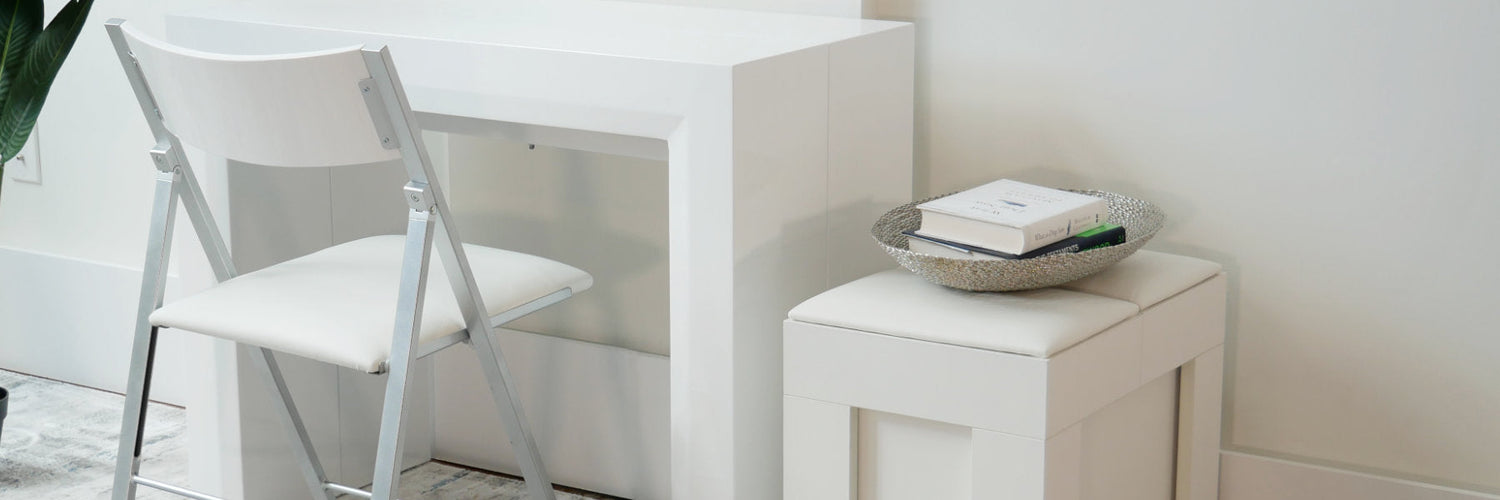
There are two different approaches you could take to contrast these two elements. The first could be a walnut dining table with black metal frame chairs that feel contemporary and match the dark colors of the wood. Or you could pair a modern dining set, such as a white table, with matching white chairs and contrasting wood chairs to make the room feel less cold.
2. Contrast Table and Chair Colors
Color contrast brings depth and definition to a dining set because it prevents the table and chairs from blending into a single monotone block.
For a bold, modern effect, pair a light oak table with black or navy chairs. The contrast works because light oak like on our Junior Giant Curve has a naturally warm, golden undertone, while deep shades like black or navy add depth and definition. This combination grounds the room, making the table the focal point, and ties in well with contemporary and Scandinavian-inspired interiors, where clean lines and strong contrasts are celebrated.
For a softer, more welcoming feel, choose complementary shades such as a whitewashed oak table with sage or muted blue chairs. These lighter tones share cool undertones, which create a harmonious, calming palette that works especially well in coastal, farmhouse, or transitional spaces. The result is a dining area that feels cohesive and relaxed, while still maintaining visual interest through subtle variation.
Contrast works especially well in dining sets because it defines each piece without making the room feel monotonous. Just be sure the finishes (matte, polished, rustic) align so the overall look stays harmonious.
3. Add a Bench for Flexibility
Replacing one side of chairs with a bench makes the table appear more rustic and family-friendly. Benches expand seating for holidays or gatherings while keeping the layout open and casual.

Pair a long farmhouse-style bench with chairs at the ends for structure, or add two benches along the sides for a communal, banquet feel. This approach works best when the bench either matches the table or introduces a softer upholstery to contrast the wood.
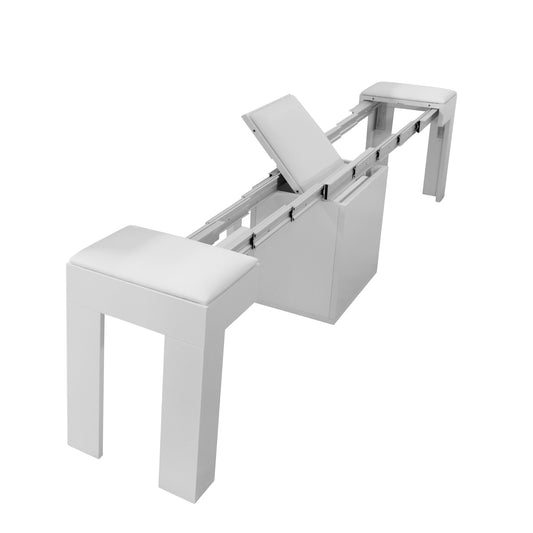
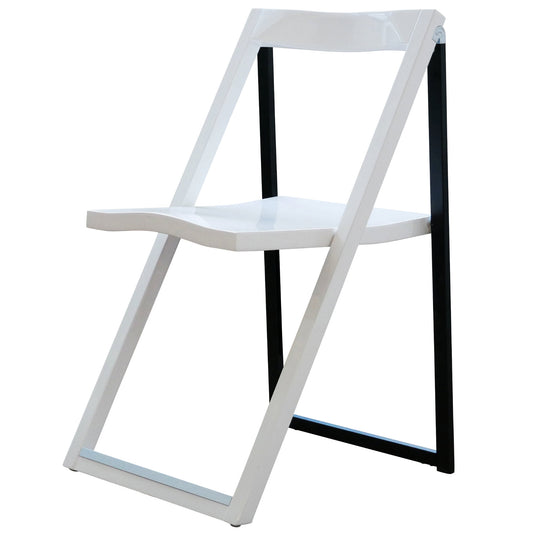
Pro-tip: Extendable benches and fold flat folding chairs are always a great option if you’re limited on storage space.
4. Mix Two Types of Wood
Blending two wood tones adds depth and dimension when done thoughtfully. The key is to choose woods with either a clear contrast (like dark walnut chairs with a lighter oak table) or with undertones that connect them (both warm or both cool).
Anchoring the space with a rug or neutral wall color helps tie the woods together so they don’t compete. This works especially well in open-concept spaces where different furniture styles flow into each other. If you want to draw eyes in but keep things balanced, try incorporating red napkins or placemats to this style.
When done well as an accent, it uses the unexpected red theory of interior design.
5. Blend Upholstered and Non-Upholstered Seating
A table surrounded by all-wood or all-metal chairs can feel visually heavy because the repetition of solid, rigid materials creates a blocky look that dominates the space. On the other hand, an all-upholstered set can lean too formal, softening the overall profile but also making the dining area feel less approachable for everyday meals.
By mixing the two, you create balance: the sturdy wood or metal chairs along the sides keep the look grounded, while upholstered chairs at the head of the table add comfort, elegance, and a touch of refinement.
This contrast works especially well because it combines durability and everyday functionality with moments of sophistication, making the dining room adaptable for multiple uses. It’s casual enough for daily family dinners but polished enough to host guests.
If you want to take your setup from relaxed to more formal for holidays or special occasions, add slipcovers to the side chairs or accent cushions in a luxe fabric. Small changes in texture and color instantly elevate the look, giving you flexibility without the need for a second set of furniture.
6. Use Alternating Colors for Expanded Seating
When you need to add extra chairs for a larger group, color becomes a powerful tool for creating cohesion. According to principles of color theory, having one dominant color in a room helps anchor the design, creating a sense of order and harmony. In a dining space, that dominant color typically comes from the table and its matching chairs, which set the foundation.
Adding alternate-colored guest chairs can then provide visual interest and energy without overwhelming the space. The key is to choose complementary or neutral shades rather than colors that clash too strongly, since overly sharp contrasts can feel chaotic or uncomfortable.
A standard six-seat dining set may look seamless on its own, but adding folding chairs or extra seats doesn’t have to disrupt the design. Using complementary colors makes the expansion feel deliberate and polished. For instance, placing same-color chairs on opposite sides creates a sense of balance and order, while alternating colors down the table adds movement and a playful energy that works well for casual gatherings.
Positioning a consistent color at the heads of the table, on the other hand, gives the room a more formal and anchored appearance. Keeping chair heights even and materials aligned ensures that the mix feels cohesive rather than pieced together. The end result is a practical, expansive design that doesn’t sacrifice aesthetics.
You can easily transform a boring or mismatched dining set by understanding how different colors, materials, and textures pair together visually. Whether it’s adding wooden chairs to a modern dining set or contrasting colors in an extending table, try experimenting with different choices and using furniture visualizing tools to predict which modifications will look right.