




Accent lighting is a powerful way to bring attention to specific features in a room while allowing task lighting to help a person complete a task or serve a purpose, and ambient light to fill the space. The trick is knowing how to control accent lighting when the room changes purpose so it does not distract and can add to the atmosphere.
This starts by using a technique called layered lighting and knowing how each one impacts the space. By strategically using a combination of accent, task and ambient lighting you can define areas in an open plan space for their intended purpose, change the feel of a room from a home office to a guest bedroom with the literal flick of a switch, and set the right tone throughout your home. This starts by knowing what layered lighting is.
The Three Layers of Lighting Design
There are three layers of lighting used to create a functional but welcoming space, ambient, task and accent. When these are combined correctly it is called layered lighting and impacts the focus, feel and design of a room.
Ambient lighting is the base layer and includes the general lighting you need to get around the room without bumping into anything. It can include ceiling light fixtures, whether that’s recessed lights or something a bit grander like a chandelier, wall mounted lights or strategically placed lamps, as long as it provides a controlled level of illumination for the whole space.
Task lighting is targeted and focused on functions in a room like a pendant light over a counter to illuminate the area you'll be preparing food or displaying a charcuterie board on a kitchen island. In a home office it can be a desk lamp or in a bedroom a vanity light above a mirror. These need to be intentionally placed and provide enough light to perform the task they are helping with.
Accent lighting draws attention to specific features, accentuating different dimensions or providing a clear divide between areas. Accent lighting can be lamps, recessed ceiling lights, a spotlight focused on a decor item like a sculpture, or downlights built into furniture. The goal is to emphasize something specific within a room or in a space.
The important part when considering all three layers is that you don't oversaturate your room with light as this can make the lighting one dimensional as all the illumination blends into one.
Accent lighting thrives in the contrast so ensure the ambient light level is low enough for it to stand out and provide definition to what it is focused on while not distracting from task lighting so the person or people in the space can focus on what they're doing. Here's some ways you can do this.
Using Accent Lighting in Multi-purpose Guestrooms
In a combined home office and guest bedroom you don’t want a work space too dim to read ,or a bedroom so bright it could reduce melatonin production and alter circadian rhythm which may impact your guest’s sleep cycles.
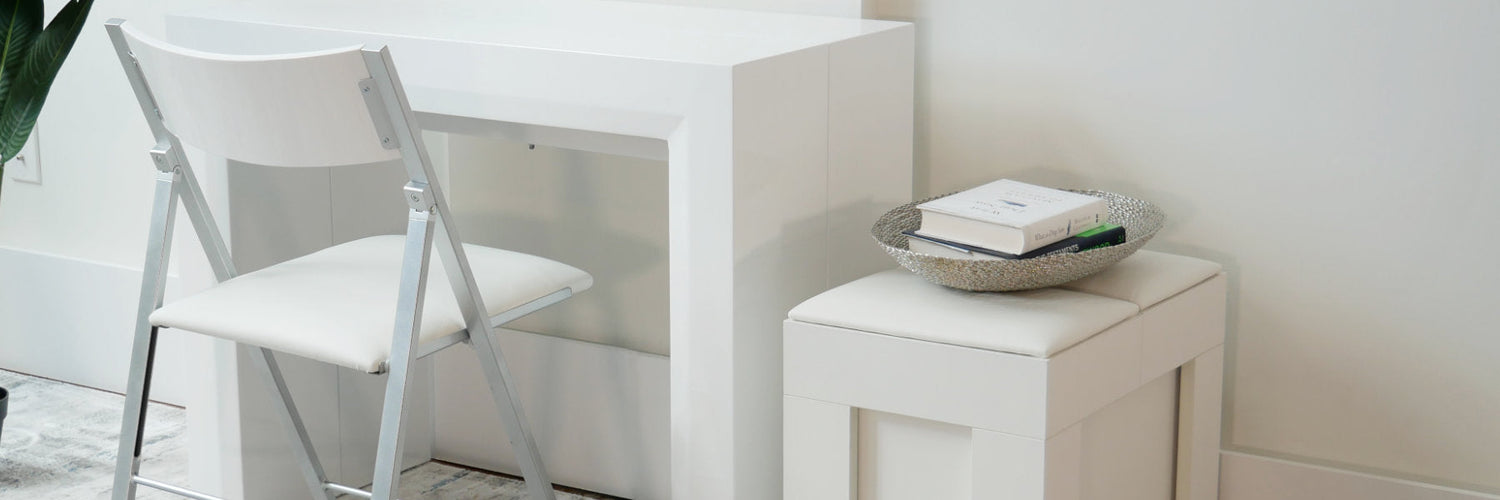
Desk or floor lamps by a desk can provide temporary task lighting but if you're using space saving office furniture like a folding desk because the room is smaller, wall sconces or a recessed light above provides functional light so you don’t need to move it away when you rearrange the room for sleep. If they focus downwards they become an accent light at night when the person needs to find something on a desk and doesn’t want to light up the entire room to keep the nighttime feeling in tact.
A recessed spotlight with a warm white bulb can work as accent lighting when placed over where a murphy bed will fold down or a daybed will expand, drawing attention to it and setting the tone for the room and letting any lingering hints of an office fade into the edges. A similar accent effect can be achieved with bedside lamps either side of a bed, providing a calming symmetry and highlighting the bed frame. This defines the space for sleeping now using the Gestalt principles of interior design.
Defining areas in open plan spaces
Accent lighting can be used to define the boundaries of specific areas in an open plan living space like a ranch home or studio apartment. This includes a lamp placed next to a sectional couch in an open floor plan, and recessed or track spotlights in an apartment with a combined dining and seating area. This type of accent lighting shifts the focus of the room from dining to a sitting area, making the entire room feel more relaxed.
This not only helps highlight the difference between different areas but allows you to shift the energy and increase relaxation towards the end of the day.
Highlighting features
While the purpose of accent lighting is to highlight features in a room, those features may also be light sources like a fireplace. Fireplaces can be both ambient and accent lighting depending on the design of the room and how you’re using it.
During a party or get together it is ambient light as it fills the space when combined with overhead lighting, but for a romantic night it is accent lighting as it highlights the area for dinner and the couple and you have the overhead lighting dimmed or turned off.
Accent lighting can also accentuate decorative details through hidden or cove lighting by illuminating recesses or subtle architectural lines. This adds the good kind of drama to a home keeping the core area either lit with ambient light for daily chores or dim while giving enough light so people can walk through without tripping on things, and showcasing the features of the space that make it unique.
Pro-tip: Accent lighting on the bottom of shelves or the tops of book cases helps create an accent light that guides people around the room while keeping the rest of the room multi-purpose for movie nights, romantic nights, family game time, etc…
Setting the mood
A romantic dinner by candlelight is a classic example of accent lighting, anchoring the focus on the dining table and creating intimacy. While candles still have their place, a similar effect can be created using soft overhead pendant lights set over a table for the task lighting. This keeps, the focus centered on the table even if the room is a combined living and dining room.
For a group gathering you can shift to a more fun mood by raising the ambient light level, reducing the intensity of the contrast with the accent lighting so that the focus remains on the table but there is more light for people to talk around the table rather than just over it.
Smart lighting offers the ability to be more flexible, with bulbs that can dim and also change tone and color allowing you to adjust the ambient light or even switch a fixture from ambient to task or accent lighting. By adjusting the tone and brightness of individual bulbs you could raise the light level over a mirror in an entrance hall or a bathtub in a bathroom introducing accent lighting to the room to highlight these features, or change the tone of a bulb over an armchair from soft to bright to make it easier to read a book.
The bathroom goes from somewhere you get ready for work quickly to a spa where you relax with a book and bubble bath. Your family or living room transforms from a space to socialize and watch tv to a place where you can focus on reading, studying, or working as you shift accent lighting to task or ambient.
Rooms that double as bedrooms or living rooms that share space with dining table sets may also benefit from this color flexibility as blue light has been shown to speed relaxation after stress when compared with white light. Whether you or your guests get done having a stressful day at work or from being stuck in traffic, setting a blue tone may help you wind down faster, particularly if you have a quick turnaround to get to a party or other commitment or as they adjust from being late to arrive to enjoying your gettogether. Try using a blue base as the ambient light combined with a soft warm light as accent lighting to spotlight a comfortable seating area to really emphasize relaxation.
By using accent lighting with the other two types, and knowing how to adjust it, you can play to a space’s strengths as well as provide the flexibility to suit different needs from sleeping to working, directing the focal point to go from entertaining to romance, and define pathways through a room while not distracting from what the intended purpose is.