

The Gestalt grouping principle of Proximity is one of the four Gestalt principles and is a concept where our mind automatically associates the use or name of an object or space in a room based on the objects near it. It relies on how we subconsciously group objects together based on how close they are to each other.
Grouping by proximity means that items that are physically closer to each other are seen as more closely related than those farther apart.
With interior design, the Gestalt principle of proximity creates groups by placing items physically close together to define their function. A lamp on your nightstand is a nightlight for your bedroom set, while the same lamp beside a couch is a bright light for socializing or hobbies in your living room.
The variation in the furniture next to the lamp changed the function and definition of the space, depending on the items they were grouped with. It could be the same exact lamp, but the name and associated purpose from lighting up a room to enjoy the space to becoming a light source for reading before sleeping changes. Here’s how to use this principle within the rooms of your home.
Living Rooms
The rule of proximity can help signal that the living room is a space for relaxation by starting with a couch that is plush and looks comfortable. A couch with large cushions or extra padding cues your guests that the space is for relaxation. Based on the principle of proximity, guests will automatically know the coffee and side tables, chairs, and items nearby are part of the living room set.
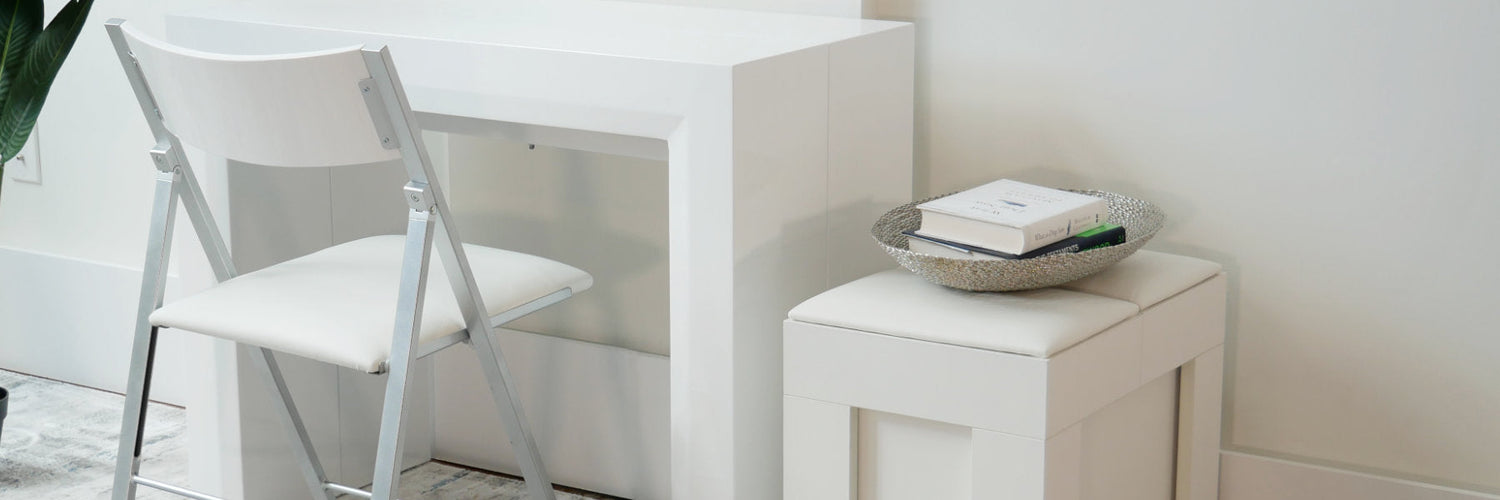
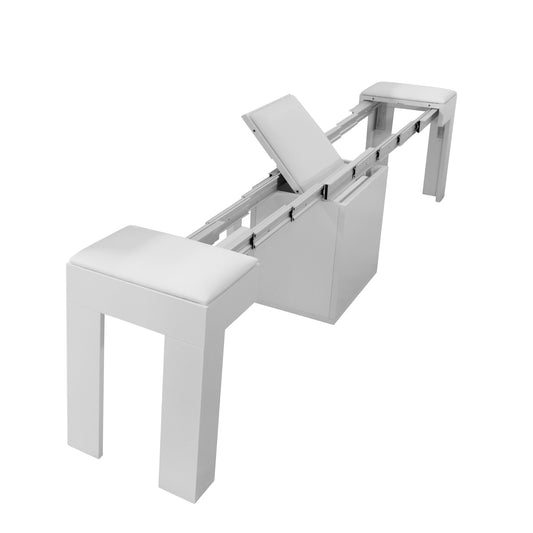
To make it a living room and not a waiting room, an extending console table placed behind the couch or on either side of the sofa, or a coffee table in front, get paired with the couch and provide places for guests to put down their drinks or phones while socializing. The proximity of the tables to the couch, combined with coffee table decor like vases, books, and coasters, creates a space to relax vs. a waiting room for an interview at a company or a hospital which also have coffee tables, couches, and end tables.
If you have an open floor plan, only furniture near or facing the couch will be considered part of the living space based on the principle of proximity. This allows the room to remain multi-functional and open, as the use of each part will be defined by the spatial relationship of all the furniture.
The shelves closest to the desk are in the office area, and the shelves by the sofa are part of the living room and used for decor, storage, and non-business related display items.
If you have limited space, the principle of grouping helps define a space and allows for flexibility, as you only need to change one key item to adjust the furniture's function. One space-saving method is to choose a sleeper sofa that transforms into a bed at night, so during the day, your tables are side tables, and at night, when the couch becomes a bed, they become nightstands, and the space becomes your bedroom.
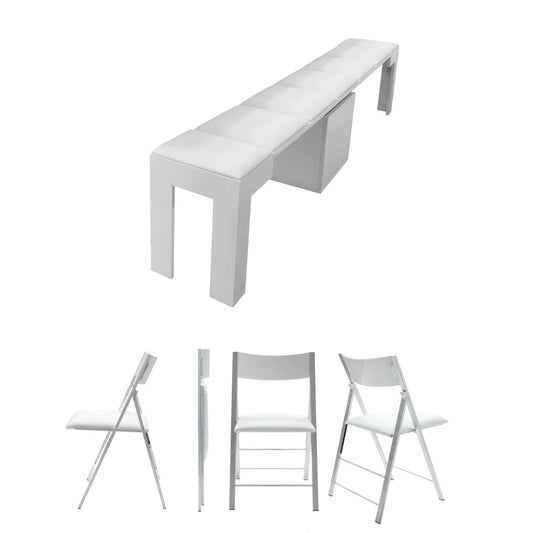
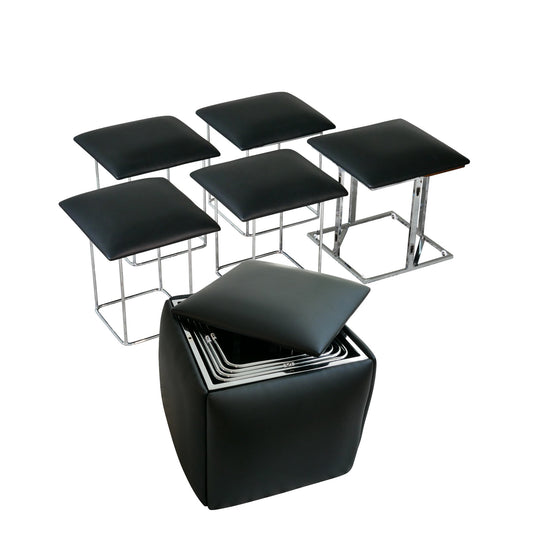
If you have limited space but prefer to keep your living and sleeping areas separate, turn your living room into a dining room with a table that transforms from storing personal items and decor into a dining table set. To keep the principle of proximity intact, decorate with items that can be used as a coffee or dining table, like glass bowls or a vase with flowers instead of coffee table or dining table only decor. Coffee table only decor could be photo books and dining table only can be decorative salt and pepper shakers. This way as the purpose and function changes, the mental associations with the objects do too.
Bedrooms
The Gestalt principle of proximity in the bedroom centers around the bed, whether it’s a traditional bed, a murphy bed, or a lift storage bed. For multi-purpose bedrooms like studio apartments or guest rooms that double as dens, you’ll want to to create a space for sleeping and the gestalt rule of proximity groups everything nearby to become part of the bedroom set.
A desk adjacent to the bed could be used for late-night studying or serve as a vanity, with nearby shelving that doubles as storage or a place to store clothing, photos, or personal items depending on the usage of the room. Based on the principle of grouping, including a bed in the space can even shift the mental perception of office equipment to being something for comfort and self-expression rather than work and stress.
Grouping can also be used to adopt some furniture from other areas of the home, like an ottoman or armchair. When moved from the living room to the bedroom, the ottoman provides extra storage, a step up into bed for raised platform beds, or makes for easy seating when you need to change socks.
A chaise lounge or comfy armchair provides extra space in the bedroom where you can take advantage of the ambiance to relax and lay out clothing, while in a living room it is there to seat more people and take a nap. Chaise lounges in the bedroom are for functional purposes like reading vs. sleeping mentally as our brains will see the bed and know that is where we sleep.
Scale and proportion can be used to “group” the items so the bed remains the focal point and ⅔ of the room's floor space is free. This gives the illusion of an open space even in smaller rooms, so you won’t feel claustrophobic or boxed in at night while trying to relax.
Dining Rooms
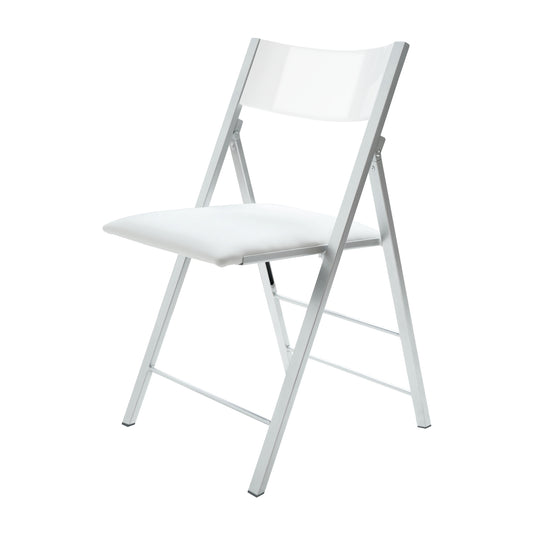
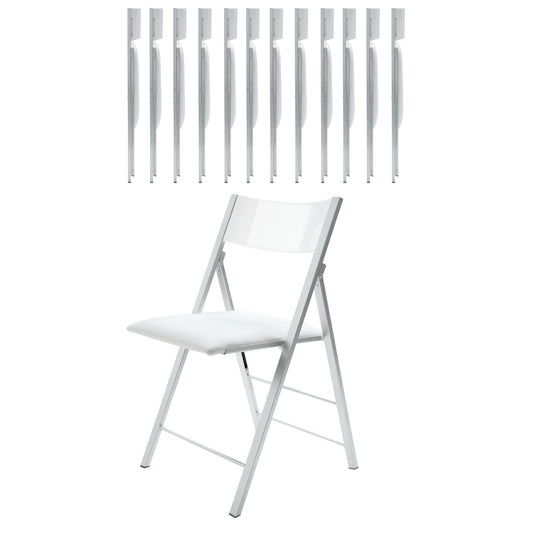
For dining rooms, the dining table set establishes where people are supposed to eat and our minds automatically group the chairs in the dining room as somewhere to eat vs. sit and relax. The association happens because of the place settings and seating arrangement around the table vs. spread out in a family or living room if you’re hosting a party and need seating.
If you have an extending table and a mixed use space for a living room and dining room, the plates and glasses can apply the Gestalt rule of proximity. When the table is only partially extended and has paper plates and plastic cups, our minds tell us that the atmosphere is for socializing and moving around. When it is fully extended or has place settings that get cleaned vs. thrown away and recycled, our minds make the association we’ll be having a sit down dinner. This same concept can be applied to smaller spaces too.
A one-bedroom or studio apartment can use a transforming table with a tablecloth on top to change the table’s purpose from a coffee or console table to a dining table. Tablecloths are associated with food in our minds, so when placed on the table, it creates a group that indicates this is where to eat.
The Gestalt rule of proximity helps our mind know the purpose of a room and the objects in it by making associations between them. A chaise lounge in a bedroom is for changing and displaying clothes, while in a living room it is for seating more people and napping. The types of plates set on a table can change the atmosphere so people know what to expect, and lamps being placed next to couches vs. beds can change their name and use even if they’re the same because of their association.